

Over the last 60 plus years, Premium Fresh has grown from a small farming enterprise owned by the Ertler family, to one of the largest growing, washing, grading and packing operations in Australia. At its factory in Forth, Tasmania, the latest technology is used to pack carrots, onions, swedes, turnips, shallots, broccoli and echalions.

Premium Fresh is a fully vertically integrated operation, managing all stages from cultivation and harvesting to packing and marketing, ensuring complete control, consistency, and traceability across the entire supply chain.
Premium Fresh takes advantage of Australia's counter-seasonality to export produce to Europe, the Middle East and Asia. The importance of EU destinations is growing. The uncertainty of more variable climatic conditions has now meant that EU buyers are looking to lock in purchases with Southern Hemisphere producers. However, margins are tight as a result of the high competition within the EU retail market.
How an Australia – European Union Free Trade Agreement could help
Making Australian exports more competitive
Significant tariffs on Australia’s fresh and sustainably produced horticulture have impaired Australia’s ability to compete on a more level playing field in the EU market. As a result of the A-EUFTA, tariffs on vegetables, such as the 9.6 per cent tariff on onions, and 13.6 per cent tariff on carrots, will be eliminated immediately on entry into force of the agreement.
Securing competitive opportunities
The free trade agreement with the EU will open up a high-income market of over 450 million people to Australian horticultural products. It will provide Australian horticultural exporters with a competitive edge and improved access to the EU market.
Quote from Owner and Managing Director
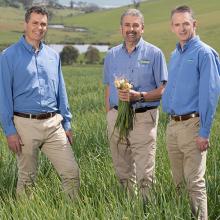
“Tariffs into the EU were already a significant challenge for Australian producers, but rising costs across fuel, fertiliser and freight have intensified the pressure. The removal of import duties would be critically important in helping offset these costs and ensuring Australian produce can continue to compete on a level playing field.”